
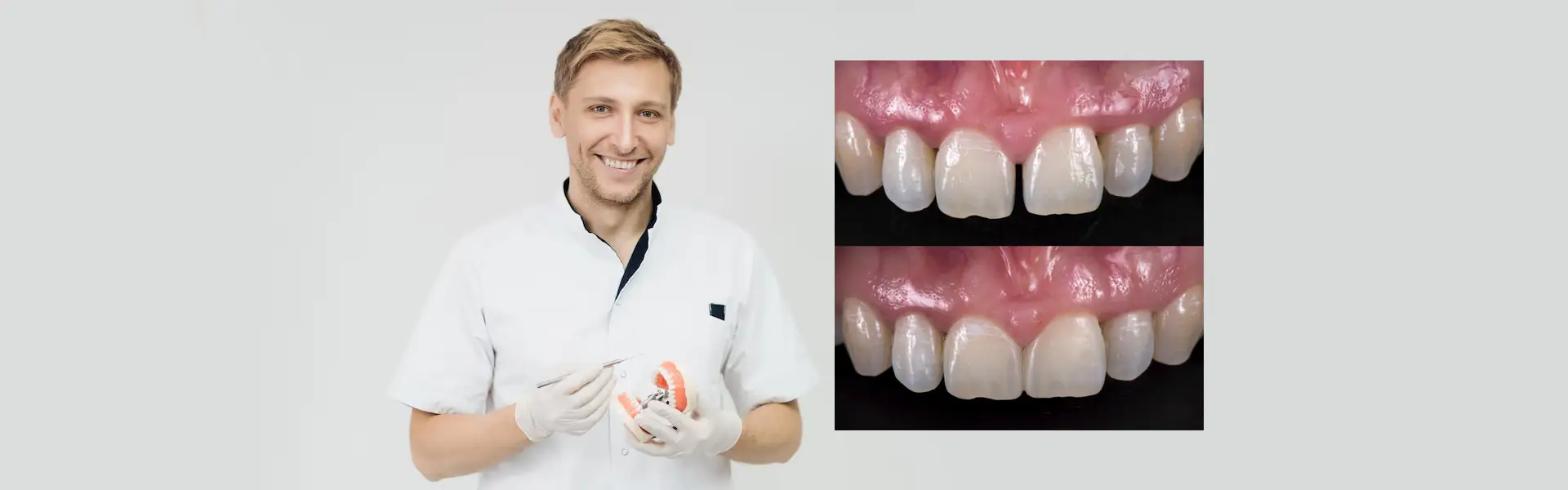
Dental Bonding in Hayward, CA
Small areas of tooth damage may influence both smile appearance and everyday tooth function. Chips, uneven edges, or localized wear can affect how teeth meet or how a smile feels during daily use. Dental bonding in Hayward uses a conservative restorative approach to repair limited tooth damage while preserving healthy enamel. Treatment planning prioritizes careful material placement and minimal alteration of natural tooth structure.
When Small Tooth Changes Begin to Matter
Chipped enamel, minor fractures, or surface irregularities may appear over time. These changes may not cause immediate discomfort, but they can influence bite balance, tooth sensitivity, or overall smile symmetry. Dental bonding treatment is typically used when damage is limited in scope and overall tooth structure remains intact. Early evaluation helps determine whether bonding is appropriate based on tooth structure and functional requirements.
A Conservative Approach to Tooth Repair
Tooth bonding services rely on a tooth-colored composite material that adheres directly to enamel. This material is shaped carefully to restore form and support natural tooth contours. Minor tooth repair options, such as bonding, correct small defects without extensive removal of tooth structure. This conservative method helps maintain natural enamel while improving surface integrity and appearance.
Precision Placement and Clinical Planning
Dental bonding procedures depend on controlled preparation and precise placement to achieve predictable results. The dentist evaluates bite alignment, enamel condition, and surrounding teeth before applying bonding material. Bonding for chipped teeth focuses on restoring smooth edges and proper contact points to support comfortable function. Each stage of the process helps ensure the bonded area integrates smoothly with the surrounding tooth structure.
Supporting Function Alongside Aesthetics
Restorative bonding solutions are selected not only for appearance but also for their role in functional support. Proper shaping and polishing help reduce stress on bonded areas during chewing and speaking. Monitoring how bonded teeth respond allows adjustments if wear patterns or bite forces change. This approach supports durability while maintaining a natural look.
Access to Timely Bonding Care
Access to dental bonding near you supports early repair of small dental concerns before they progress. Prompt care can help prevent minor damage from worsening and reduce the need for more extensive restorative treatment later. Ongoing follow-up ensures bonded areas remain stable and continue to support overall oral function.
Who May Benefit From Dental Bonding
Dental bonding is often used for patients with small chips, uneven tooth edges, gaps, or localized discoloration. It may also support individuals seeking conservative improvement without extensive restorative procedures. A comprehensive consultation helps determine whether bonding aligns with tooth health, bite considerations, and long-term goals.
Frequently Asked Questions
Bonding can provide long-lasting results with proper care, though periodic monitoring is important as materials may wear with use.
No. Bonding preserves most natural enamel and is considered a conservative restorative option.
Many bonding treatments are completed in a single visit, depending on the number of teeth included.
Yes. Routine brushing, flossing, and dental visits help maintain bonded areas and surrounding teeth.
Planning Conservative Restorative Care
Small tooth concerns benefit from clinical evaluation rather than rushed cosmetic solutions. Cosmetic Dentistry of Hayward provides dental bonding assessments and treatment planning focused on conservative repair, functional stability, and long-term oral health through clinically guided restorative care.