
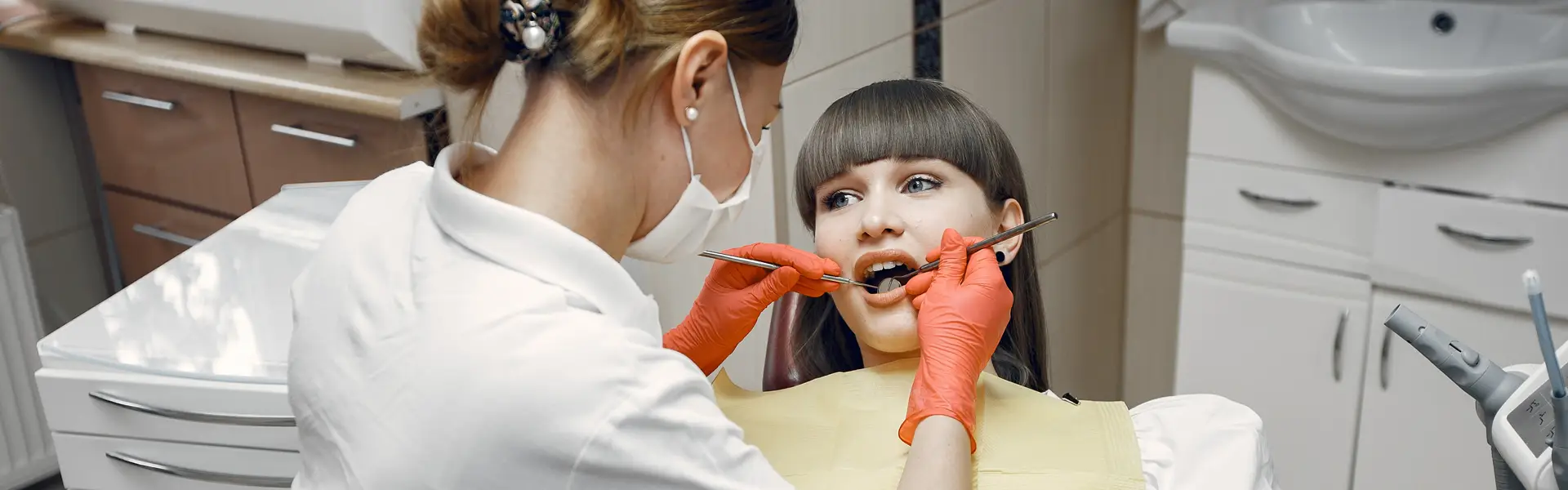
Restorative Dentistry in Hayward, CA
Tooth damage may interfere with chewing comfort, bite balance, and long-term oral health. Cracks, decay, worn enamel, or missing tooth structure can interfere with daily function when left unaddressed. A restorative dentist in Hayward evaluates these concerns and plans care that restores strength, stability, and comfort. Restorative care prioritizes function and structural integrity beyond cosmetic improvement.
When Tooth Structure Needs Support
Teeth can weaken due to cavities, fractures, previous dental work, or long-term wear. These changes increase stress on surrounding teeth and jaw structures. Restorative dentistry services address such concerns by reinforcing damaged areas and supporting proper bite contact. Early evaluation helps identify the extent of damage and determine which restorative approach best supports oral function.
Approaches to Repairing Damaged Teeth
Tooth restoration treatments reflect the condition of the tooth, remaining structure, and functional demands. Dental repair solutions may involve restoring lost tooth material, stabilizing cracks, or replacing weakened restorations. Each treatment plan supports chewing efficiency while preserving as much natural tooth structure as possible.
Planning Functional Restoration
Restoring damaged teeth begins with an assessment of bite alignment, enamel strength, and surrounding gum health. Functional dental restorations distribute bite forces evenly to reduce strain on treated teeth. During planning, the dentist evaluates how restorations will interact with neighboring teeth to support comfort and long-term stability.
Coordinated Restorative Care
Comprehensive restorative care often involves addressing multiple concerns within a coordinated plan. This may include managing decay, repairing fractures, and restoring teeth affected by prior dental work. A coordinated restorative approach supports overall oral balance rather than isolated repair. Ongoing monitoring allows adjustments as bite forces or oral conditions change.
Access to Restorative Care
Access to restorative dentistry near you allows timely evaluation and follow-up when tooth damage or discomfort arises. Receiving care within a consistent dental setting allows restorative treatment to be coordinated with preventive and maintenance care. This continuity helps ensure restorations continue to function effectively over time.
Who May Benefit From Restorative Dentistry
Restorative care may benefit individuals with cavities, cracked or worn teeth, failing restorations, or missing tooth structure. It may also support patients experiencing discomfort during chewing or changes in bite alignment. A comprehensive consultation helps determine whether restorative treatment aligns with dental health needs, functional goals, and long-term oral stability.
Frequently Asked Questions
Yes. Restorative care focuses on function, strength, and tooth stability, while cosmetic care emphasizes appearance.
Longevity varies based on the type of restoration, oral habits, and ongoing dental care.
No. Treatment options vary and are selected based on the level of tooth damage and functional needs.
Most restorative treatments are planned to support comfort and are performed with appropriate pain management.
Planning Restorative Dental Care
Managing tooth damage requires structured evaluation and ongoing follow-up rather than temporary fixes. Cosmetic Dentistry of Hayward provides restorative evaluations and treatment planning focused on restoring strength, supporting bite function, and maintaining long-term oral health through clinically guided restorative care.