
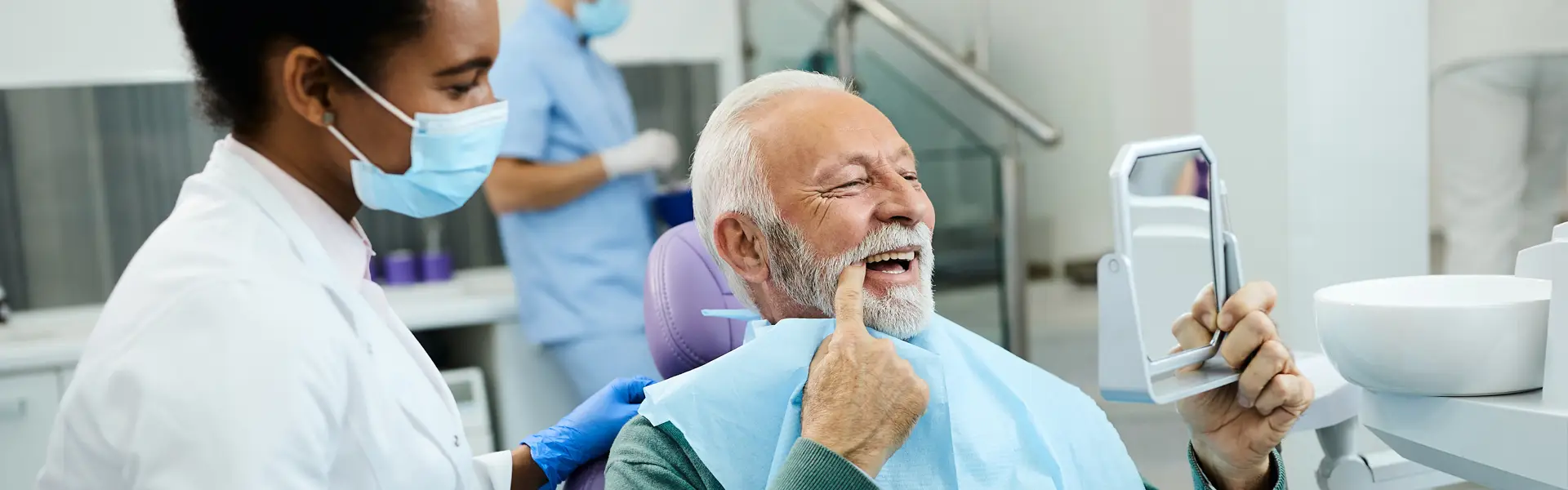
Full Mouth Rehabilitation in Hayward, CA
Widespread dental damage often interferes with chewing ability, bite stability, and overall oral comfort. Extensive wear, missing teeth, failing restorations, or long-standing bite imbalance typically call for coordinated care rather than isolated treatment. Full mouth rehabilitation in Hayward requires coordinated planning to restore function, comfort, and oral stability across the entire mouth. This approach rebuilds oral function methodically while supporting long-term stability.
When Multiple Dental Problems Interact
Oral conditions rarely exist in isolation. Tooth loss, advanced wear, fractures, or untreated decay can alter how remaining teeth function together. Over time, these issues can combine, leading to jaw strain, uneven bite forces, or difficulty chewing. Full mouth rehabilitation is recommended when multiple dental concerns interact and require an integrated solution rather than individual repairs.
Evaluating the Entire Bite System
Full mouth reconstruction starts with a detailed evaluation of teeth, gums, jaw joints, and bite alignment. Imaging, diagnostic models, and clinical examination are used to assess how oral structures interact. Comprehensive dental rehabilitation focuses on identifying underlying causes of damage, such as bite imbalance or structural weakness, before planning restorative care.
Coordinating Care Across Restorative Needs
Complex dental restoration often requires addressing several treatment areas in a specific sequence. This may include stabilizing weakened teeth, replacing missing structure, and correcting bite relationships. Multidisciplinary dental treatment allows restorative, periodontal, and surgical considerations to be planned together, reducing complications and supporting predictable outcomes.
Rebuilding Function With Long-Term Stability
Complete oral restoration care prioritizes restoring proper chewing mechanics and balanced bite forces. Functional planning helps distribute pressure evenly across restorations, reducing strain on individual teeth. Each phase of treatment is monitored carefully to ensure comfort, stability, and compatibility with surrounding oral structures.
Treatment Phasing and Ongoing Monitoring
Full mouth rehabilitation is typically completed in stages to allow healing, adaptation, and reassessment between phases. Ongoing monitoring supports adjustments as bite forces or oral conditions change. This structured approach supports immediate comfort while maintaining long-term durability of treatment results.
Access to Comprehensive Restorative Care
Access to full mouth rehabilitation near you allows timely evaluation, coordinated treatment, and consistent follow-up. Receiving care within a single dental setting allows communication across treatment phases and helps maintain continuity throughout the rehabilitation process. This consistency supports efficient care delivery and long-term oral stability.
Who May Benefit From Full Mouth Rehabilitation
Patients with extensive tooth damage, multiple missing teeth, failing restorations, or advanced bite problems may benefit from full mouth rehabilitation. It may also support individuals experiencing chronic discomfort, difficulty chewing, or functional decline due to long-standing dental issues. A comprehensive consultation helps determine whether full mouth rehabilitation aligns with oral health needs and long-term goals.
Frequently Asked Questions
No. Treatment is typically completed in phases to allow proper healing and evaluation.
Yes. Bite alignment and force distribution are central components of treatment planning.
Timelines vary depending on treatment complexity, healing response, and individual needs.
It is recommended when several dental issues must be addressed together rather than treated individually.
Planning Comprehensive Oral Restoration
Managing widespread dental damage requires structured evaluation, sequencing, and follow-up. Cosmetic Dentistry of Hayward provides full mouth rehabilitation planning focused on restoring function, stabilizing the bite, and supporting long-term oral health through clinically guided, comprehensive care.